AI
The capacity of computers to carry out functions usually associated with human intellect, such as learning and problem-solving, is known as artificial intelligence (AI). Advanced web search engines like Google Search, recommendation systems used by YouTube, Amazon, and Netflix, speech recognition software like Siri and Alexa, self-driving cars like Waymo, or generative cars or creative tools like ChatGPT, AI Art, and competition at the highest level in strategy games like chess and Go are just a few examples of applications for AI.
The academic field of artificial intelligence was established in 1956. After deep learning surpassed all prior AI technologies in 2012, there was a tremendous increase in funding and interest. The area had previously seen cycles of excitement followed by disappointment and loss of support.
Many AI research subfields focus on specific objectives and particular techniques. Inference, knowledge representation, planning, learning, natural language processing, cognition, and support robotics are some of the traditional goals of AI research. One of the long-term objectives of the area is general intelligence, which is the capacity to answer a random issue. Artificial intelligence (AI) researchers have adapted and incorporated various problem-solving methodologies, including formal logic, artificial neural networks, statistical, probabilistic, economic approaches, and mathematical search and optimization. Among many other disciplines, AI also uses psychology, linguistics, philosophy, and neuroscience.
-
أدوات الذكاء الاصطناعي

Claude Fable 5، شرح شامل للمزايا والأداء والأسعار وربطه بواجهة API من أنثروبيك
في وقت تتسارع فيه وتيرة تطور نماذج الذكاء الاصطناعي، يبرز Claude Fable 5 كواحد من اهم النماذج التي تعيد رسم…
أكمل القراءة » -
أدوات الذكاء الاصطناعي
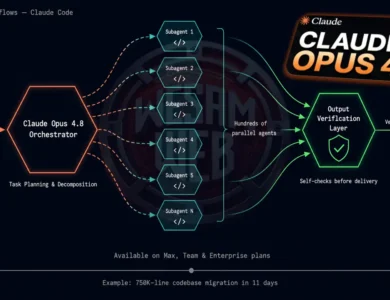
Claude Opus 4.8: مراجعة أقوى نموذج ذكاء اصطناعي لغوي متطور من أنثروبيك
أعلنت شركة أنثروبيك عن إطلاق Claude Opus 4.8، أحدث إصدار من نموذجها الرائد. يشهد قطاع الذكاء الاصطناعي تطوراً سريعاً نحو نماذج مستقلة…
أكمل القراءة » -
الذكاء الاصطناعي
الواقع المعزز (AR): تعرف على بوابة العصر الرقمي الجديد Augmented Reality
تقنية الواقع المعزز (AR) من أبرز التقنيات وأكثرها تطوراً في عصر الذكاء الاصطناعي. وتمتد تطبيقاتها اليوم لتشمل جميع المجالات تقريباً، فاتحة آفاقاً جديدة من الإمكانيات. فمن عرض الرسائل المرئية التفاعلية إلى إجراء…
أكمل القراءة » -
أنظمة التشغيل
Android XR: كل ما تريد معرفته عن لقاء الواقع الممتد بالذكاء الاصطناعي من Google
هل تخيلت يوماً أن تتحول غرفتك بالكامل إلى شاشة حاسوب عملاقة تتفاعل مع حركات عينيك ويديك؟ بالمقابل، يأتي Android XR…
أكمل القراءة » -
أدوات الذكاء الاصطناعي
GLM-5.2: المميزات والإعداد والمعايير ودليل الوصول له والتبديل بين النماذج
يأتي GLM-5.2 من Z.ai مع نافذة سياق تبلغ مليون رمز (1M token)، ومستويين من جهد الاستدلال، ووصول مجاني عبر جميع فئات GLM Coding…
أكمل القراءة » -
السحابة - Cloud
ما هي Amazon Web Services (AWS)؟ الدليل لأكبر منصة حوسبة سحابية في العالم
عندما يبحث أي مطور أو صاحب مشروع تقني عن بنية تحتية يعتمد عليها لتشغيل تطبيقاته، يجد أن اسم AWS يتصدر النتائج بلا…
أكمل القراءة » -
المعالجات
أفضل 10 معالج للذكاء الاصطناعي في 2026: دليل اختيار أقوى AI Processor
في قلب كل نموذج ذكاء اصطناعي يعمل على جهازك، يوجد معالج للذكاء الاصطناعي يقرر فعليا هل ستحصل على استجابة سريعة أم انتظار مزعج أمام شاشة الكمبيوتر.…
أكمل القراءة » -
أدوات الذكاء الاصطناعي
Gemini Spark: لماذا يُعد المساعد الذكي دائم اليقظة من جوجل مذهل ومخيف في آن واحد؟
الآن، لقد حان عصر وكيل الذكاء الاصطناعي (AI Agent) الذي قد يغير قواعد اللعبة فعلياً. على سبيل المثال، في أواخر…
أكمل القراءة » -
البرمجة والتطوير
تعلم LaTeX للمبتدئين: الدليل الشامل لكتابة الأبحاث العلمية والبرمجية والمعادلات الاحترافية
هل سئمت من قضاء ساعات طويلة في محاولة إصلاح هوامش مستندك التي تتغير بشكل مفاجئ كلما أضفت صورة أو معادلة؟…
أكمل القراءة » -
صناعة المحتوى
Video Bar Chart: الدليل الشامل لإنشاء مخططات بيانية متحركة احترافية لعرض البيانات
هل فكرت يوماً في تحويل أرقامك الجامدة إلى سباق بصري يخطف الأنظار؟ يُعرف Video Bar Chart (أو سباق الرسوم البيانية)…
أكمل القراءة »